The company's mission is to provide high-quality seafood to global buyers.
WhatsApp / WeChat : +8618659702877


Exploring the Textural Delight of Squid Tentacle in Your Meals
2025-12-23
Exploring the Textural Delight of Squid Tentacle in Your Meals
Table of Contents
1. Understanding Squid Tentacle: A Nutritional Powerhouse
2. The Unique Texture of Squid Tentacle: Why It Matters
3. How to Prepare Squid Tentacle for Optimal Flavor and Texture
4. Mouthwatering Recipes Featuring Squid Tentacle
5. Pairing Squid Tentacle with the Right Ingredients
6. Health
Exploring the Textural Delight of Squid Tentacle in Your Meals
Table of Contents
- 1. Understanding Squid Tentacle: A Nutritional Powerhouse
- 2. The Unique Texture of Squid Tentacle: Why It Matters
- 3. How to Prepare Squid Tentacle for Optimal Flavor and Texture
- 4. Mouthwatering Recipes Featuring Squid Tentacle
- 5. Pairing Squid Tentacle with the Right Ingredients
- 6. Health Benefits of Including Squid Tentacle in Your Diet
- 7. Common Mistakes to Avoid When Cooking Squid Tentacle
- 8. Frequently Asked Questions About Squid Tentacle
- 9. Conclusion: The Culinary Adventure Awaits
1. Understanding Squid Tentacle: A Nutritional Powerhouse
Squid tentacle, often overlooked in culinary circles, is a remarkable ingredient that boasts a wealth of nutritional benefits. Rich in protein, low in calories, and packed with omega-3 fatty acids, squid tentacle is not just a delicious choice but also a smart addition to any diet. **With a high content of vitamins and minerals**, such as vitamin B12, selenium, and phosphorus, it contributes to overall health.
The culinary versatility of squid tentacle makes it suitable for various cuisines, from Mediterranean to Asian dishes. As we explore its unique qualities, it becomes evident that this seafood delight deserves a prominent place on your dinner table.
2. The Unique Texture of Squid Tentacle: Why It Matters
What sets squid tentacle apart from other seafood is its *distinct texture*. When cooked properly, squid tentacle offers a satisfying chewiness that enhances the dining experience. The texture is a result of its muscular structure, which can vary depending on cooking methods.
**Tenderness is key**; overcooking can lead to rubbery tentacles, while the right techniques can yield a perfectly tender texture that melts in your mouth. Understanding this aspect of squid tentacle allows cooks to appreciate and manipulate its properties to create awe-inspiring dishes.
3. How to Prepare Squid Tentacle for Optimal Flavor and Texture
Preparation is crucial in transforming squid tentacle into a delightful dish. Here are some essential steps to consider:
3.1 Cleaning and Sourcing Fresh Squid Tentacles
Choosing fresh squid is the first step to ensuring flavorful meals. Look for squid with a shiny, translucent appearance and a mild ocean scent. When cleaning squid tentacle, remove the beak and ink sac. Rinse thoroughly under cold water to eliminate any residual grit.
3.2 Marinating for Maximum Flavor
Marinating squid tentacle can significantly enhance its flavor profile. **Using ingredients like olive oil, garlic, lemon juice, and herbs** helps to tenderize the meat while infusing it with delicious flavors. Aim for a marination period of at least 30 minutes for optimal results.
3.3 Cooking Techniques: Grilling, Sautéing, and More
Several cooking methods can bring out the best in squid tentacle. Grilling, for example, imparts a smoky flavor and attractive char marks. Sautéing with garlic and vegetables allows for a quick, flavorful meal. **For a more tender result**, consider braising or simmering the tentacles in sauces or broths.
4. Mouthwatering Recipes Featuring Squid Tentacle
Now that we understand how to prepare squid tentacle, let’s dive into some recipes that highlight its unique qualities.
4.1 Grilled Squid Tentacle with Lemon and Herbs
This vibrant dish pairs perfectly with a fresh salad. Simply marinate squid tentacles in lemon juice, garlic, and fresh herbs, then grill them until tender. Serve over a bed of arugula for a refreshing meal.
4.2 Squid Tentacle Stir-Fry
Quick and easy, this stir-fry combines sliced squid tentacle with colorful vegetables like bell peppers and snap peas. Toss in soy sauce, ginger, and sesame oil for an aromatic dish that comes together in minutes.
4.3 Braised Squid Tentacle in Tomato Sauce
For a comforting meal, braise squid tentacles in a rich tomato sauce with olives and capers. Serve with crusty bread to soak up the flavorful sauce.
5. Pairing Squid Tentacle with the Right Ingredients
To elevate your squid tentacle dishes, consider pairing them with complementary ingredients. Citrus fruits like lemon and lime provide brightness, while fresh herbs like parsley and cilantro enhance the overall flavor.
**Additionally, starchy sides** such as rice or pasta can balance the dish's texture and absorb sauces beautifully. Experimenting with various ingredients will help you discover unique flavor combinations that make squid tentacle shine.
6. Health Benefits of Including Squid Tentacle in Your Diet
Incorporating squid tentacle into your meals comes with numerous health advantages. As a lean source of protein, it supports muscle growth and repair. The presence of omega-3 fatty acids contributes to heart health by reducing inflammation and lowering cholesterol levels.
Moreover, the vitamins and minerals found in squid tentacle are vital for various bodily functions, including energy production and immune support. By enjoying this ingredient regularly, you can enhance your overall well-being while savoring its delicious taste.
7. Common Mistakes to Avoid When Cooking Squid Tentacle
To achieve the best results when cooking squid tentacle, here are some common pitfalls to avoid:
7.1 Overcooking
This is perhaps the most crucial mistake. Squid tentacle becomes tough and rubbery when overcooked. Aim for quick cooking methods to achieve the right tenderness.
7.2 Neglecting to Clean Properly
Failing to clean squid tentacle properly can impact the flavor and texture of your dish. Always ensure thorough cleaning to remove any grit or off-putting flavors.
7.3 Skipping Marination
Marination is essential for flavor enhancement. Do not skip this step, as it significantly influences the final taste of your dish.
8. Frequently Asked Questions About Squid Tentacle
8.1 Is squid tentacle safe to eat?
Yes, squid tentacle is safe to eat as long as it is sourced from reputable suppliers and cooked properly.
8.2 How can I tell if squid tentacle is fresh?
Fresh squid tentacle should have a mild ocean smell and appear shiny with a firm texture.
8.3 Can I freeze squid tentacle?
Yes, squid tentacle can be frozen. Ensure it is properly sealed to maintain freshness.
8.4 What are some alternative cooking methods for squid tentacle?
Besides grilling and sautéing, you can also steam, bake, or even fry squid tentacle for various textures and flavors.
8.5 How do I store leftover cooked squid tentacle?
Store leftover cooked squid tentacle in an airtight container in the refrigerator for up to two days.
9. Conclusion: The Culinary Adventure Awaits
Squid tentacle is more than just a seafood ingredient; it is a culinary adventure waiting to be explored. With its unique texture, incredible flavor potential, and numerous health benefits, it certainly deserves a spot in your kitchen. By understanding how to prepare and cook squid tentacle, you can create dishes that impress family and friends alike.
Incorporate this delightful ingredient into your meals and elevate your dining experience. Whether you choose to grill, sauté, or braise, the possibilities are endless. Start experimenting with squid tentacle today, and embark on a journey filled with rich flavors and unforgettable textures.
Squid Tentacle
RELEVANT INFORMATION

Unlocking the Benefits of Frozen Pacific Mackerel: A Nutritional Powerhouse
Frozen Pacific mackerel is becoming increasingly recognized as an exceptional choice in the realm of convenience foods, especially for those who value both nutrition and flavor in their meals. As a nutrient-dense seafood option, frozen Pacific mackerel offers a wealth of health benefits that can appeal to busy professionals seeking quick and healthy meal solutions.
One of the primary benefits of f
2026-01-01
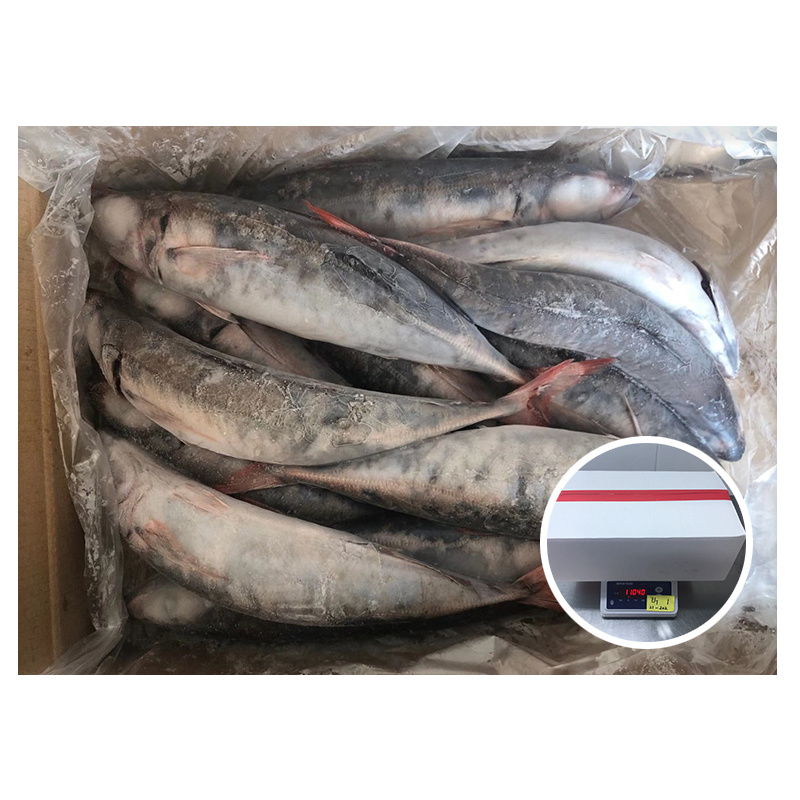
A Deep Dive into the Habitats of Pacific Mackerel (Scomber japonicus): Understanding Their Ecosystem
A Deep Dive into the Habitats of Pacific Mackerel (Scomber japonicus)
Introduction to Pacific Mackerel
Pacific Mackerel, scientifically known as *Scomber japonicus*, is a highly sought-after species in the fishing industry. Commonly found in the Pacific Ocean, this fish is not only economically valuable but also plays a crucial role in marine ecosystems. Understanding their habitats is essential f
2025-12-29
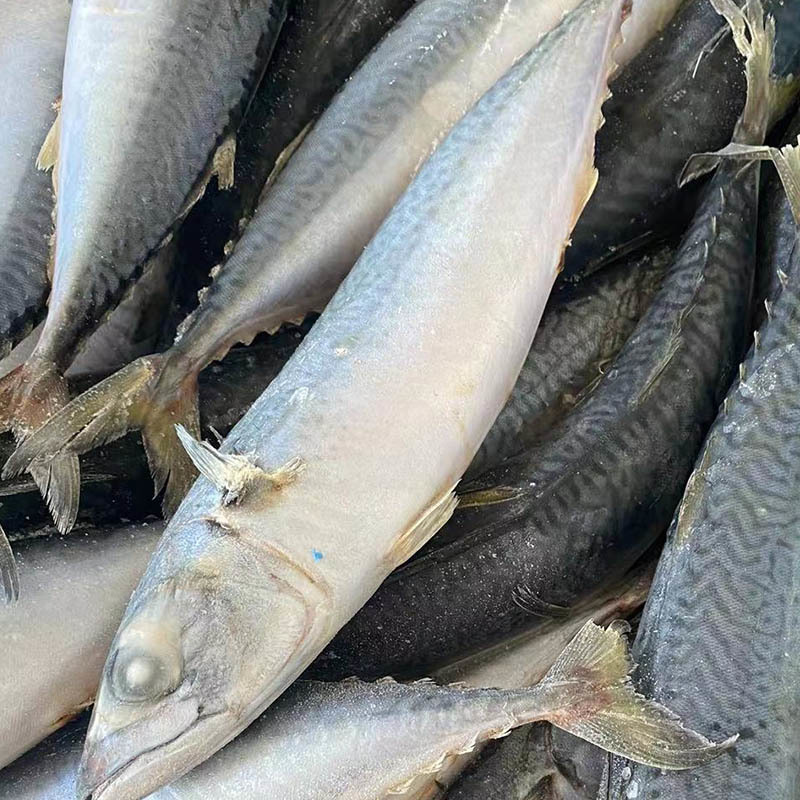
All You Need to Know About Small Eyes Horse Mackerel: A Nutritional Gem from the Sea
Small Eyes Horse Mackerel (Trachurus declivis) is a fascinating species belonging to the mackerel family, known for its remarkable adaptability and nutritional profile. This fish is typically found in the warm, temperate waters of the Pacific and Indian Oceans, making it a prevalent choice in various coastal and fishing communities. While it may not be as widely recognized as other fish species, S
2025-12-26